1 / 19
Steelcase · Office Chairs
Steelcase Leap V2
Steelcase · Leap (462 Series)
Long hours at a desk with height-adjustable lumbar and seat depth adjustment.
$1,499 – $2,667
About this price
varies by configuration · as of Sep 25, 2026
Source: US Steelcase Store ↗, checked Sep 25, 2026
- Headrest option
- Up to 400 lb
- 12-year warranty
From 366 user reviews and 53 videos
Summary
Highly adjustable and long-lasting; the firm seat and strong lumbar divide users.
Best for
- People who want to fine-tune seat depth, lumbar and recline.
- Average to larger builds sitting long hours; users report a good fit.
- Shorter sitters who need the seat depth adjustment to keep feet flat.
Think twice if
- You prefer a soft, plush seat cushion.
- You are very tall and need a long seat.
- You dislike firm pressure from the lumbar support.
The trade-off
Users report five to twenty years of use, but many need days or weeks to adapt.
Value check
Lists from $1,499 at Steelcase; users often recommend used or refurbished units.
- Price
- $1,499 – $2,667
- Load capacity
- 400 lb
- Warranty
- 12 years
From 366 user reviews and 53 videos · 5 languages · updated Oct 6, 2026
What Steelcase highlights
Sources
- Steelcase, Leap ↗Checked Oct 10, 2026
LiveBack technology
The backrest changes shape as you move. Steelcase says it contours and adapts to mimic the natural movement of your spine.
Adjustable lumbar support
The lumbar adjusts in height, and a dial sets how firm the lower back feels. Steelcase says this lets you choose the amount of firmness you feel.
Natural Glide System
The seat glides forward as you recline. Steelcase says this keeps your posture in check and moves you closer to your work surface.
4D arms
The arms adjust for height, width, depth and pivot. Steelcase calls this four-dimensional arm support.
Flexible seat edges
The seat edges bend slightly where you need it. Steelcase describes this as a pressure-free sit.
Manual recline control
You set the backrest resistance yourself. Steelcase says this gives you full control over how the backrest feels.
As described by Steelcase on its official pages; not a Chairpedia assessment.
What users say
Most-mentioned topics
- 1. Comfort218 mentions · 66% positive
- 2. Price and value196 mentions · 63% positive
- 3. Adjustability188 mentions · 71% positive
- 4. Build quality164 mentions · 87% positive
- 5. Back support130 mentions · 74% positive
- 6. Seat122 mentions · 54% positive
- 7. Size and fit84 mentions · 56% positive
What users repeat
- Users often say the chair lasts many years under heavy use.
- Users often say it takes days or weeks of adjusting to feel right.
- Users often call the seat firm; some add a cushion.
- Users often recommend buying used or refurbished.
Pros
- Build quality and durability · 143 liked
- Wide adjustment range · 134 liked
- Lumbar support when set well · 96 liked
- Comfortable after adjustment · 144 liked
Cons
- Seat cushion feels too firm or thin · 56 raised
- Full retail price is hard to justify for some · 73 raised
- Lumbar feels too strong for some · 34 raised
- Many controls to learn · 54 raised
Inside 366 user reviews →Close
Who it suits, who it doesn't
- Suits Average to larger builds: Users around average height and heavier or broader frames report excellent fit, with seat width and depth working well for extended sitting sessions of eight to twelve hours daily.
- Suits Shorter users with seat depth needs: Owners of smaller stature specifically praise the seat depth adjustment for allowing proper back support while keeping feet flat, solving a common fit problem with standard office chairs.
- Less suited to Very tall users needing long seat depth: Some users with larger builds reported that the seat depth did not provide enough space between the front edge and the back of their legs for comfortable extended sitting.
- Less suited to Those preferring soft cushioning: Users accustomed to plush or gaming chair padding frequently report the firm seat causes discomfort or pain within minutes to hours, with some unable to adapt even after months.
- Less suited to Bodies sensitive to lumbar pressure: A subset finds the lumbar mechanism too aggressive or pointy regardless of adjustment, with some experiencing immediate back strain that persists despite repositioning.
Where users disagree
Seat firmness
One side: The firm seat is essential for proper ergonomic support and prevents bottoming out over time, with many saying they adapted within weeks and now appreciate the intentional design.
Other side: The seat is painfully hard and causes discomfort within minutes to hours regardless of adjustment period, forcing users to add cushions or abandon the chair entirely.
Lumbar support intensity
One side: The adjustable lumbar offers targeted support and can be positioned where needed.
Other side: The lumbar mechanism is too aggressive, pointy, or intrusive even at the lowest setting, causing more discomfort than relief and requiring removal for some users.
Value at retail price
One side: The chair is worth the premium retail cost given its exceptional durability, lasting decades with minimal maintenance and providing long-term health benefits.
Other side: The high retail price is not justified when used options perform similarly, and some question whether you're paying for brand reputation rather than proportional quality improvements.
Recline and relaxation suitability
One side: The recline range and tension adjustment allow comfortable position changes throughout the day while maintaining support, making it versatile for different tasks.
Other side: The chair is designed strictly for upright office posture and is awkward or uncomfortable for leaning back or relaxed sitting, limiting its versatility for gaming or casual use.
Refurbished versus new
One side: Refurbished units from reputable sellers arrive in like-new condition with warranties and thicker cushions at half the retail price, making them the smart choice.
Other side: Refurbished quality varies dramatically by seller, with concerns about aged foam, misrepresented condition, and uncertainty about long-term reliability compared to factory-new units.
Users who switched
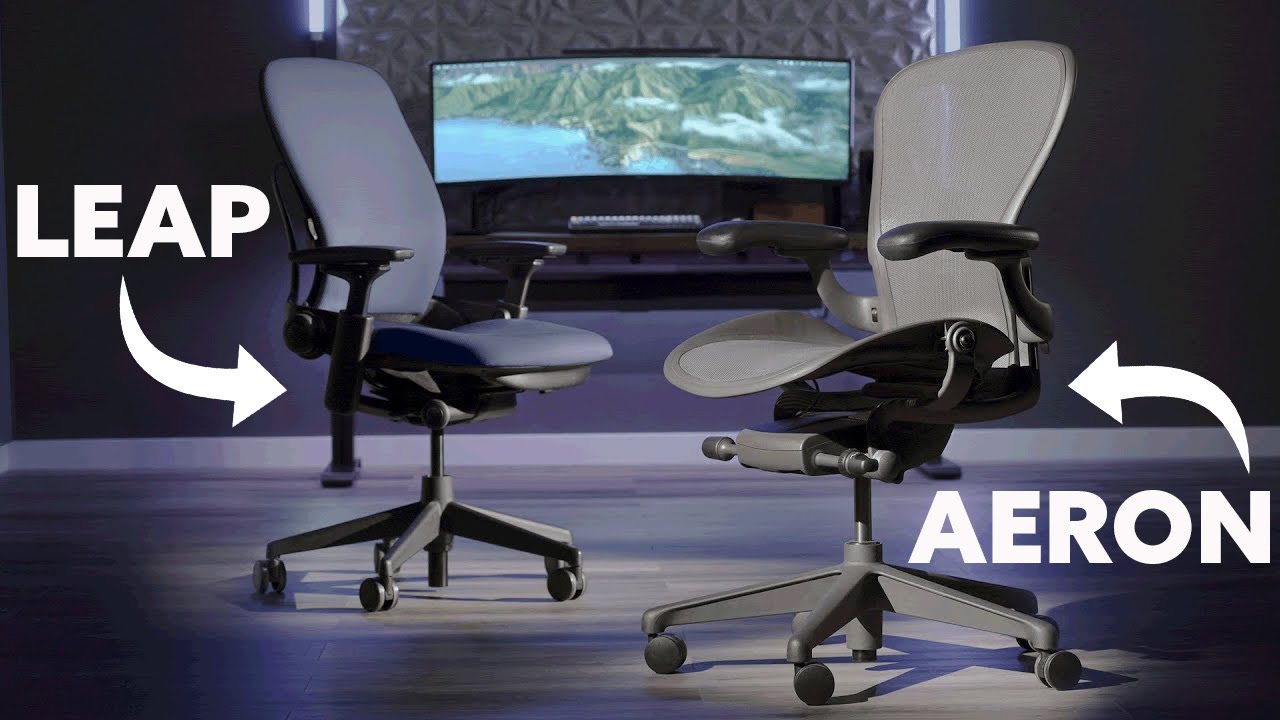
- From Herman Miller Aeron: Several chose the Leap over the Aeron after testing both, citing more comfortable cushioning, better adjustability, and superior fit, especially for those who found the Aeron's mesh or sizing problematic. Comparison
- From Herman Miller Embody: Multiple users switched from the Embody due to severe lower back issues and found the Leap immediately relieved their discomfort, praising its more traditional lumbar system and cushioned seat. Comparison
- From Gaming chairs: Many transitioned from gaming chairs and reported dramatic comfort improvements, noting the Leap's superior ergonomics and build quality, though some missed the plush padding initially.
- From Cheap office chairs: Numerous owners upgraded from budget office or big-box chairs and described night-and-day differences in back support and durability, with most saying they wished they'd invested sooner.
- To Herman Miller Embody: A few switched away from the Leap to the Embody, finding the distributed support system better for very long sessions or preferring the Embody's flexibility over the Leap's structured support. Comparison
- To Haworth Fern: Some moved to the Fern after finding the Leap's recline sluggish or the overall feel less impressive, though they acknowledged the Leap as solid overall. Comparison
- From Steelcase Amia: Users upgrading from the Amia appreciated the Leap's more advanced LiveBack system and greater adjustability, though they noted the Amia had softer seat cushioning. Comparison
Detailed topics
- Seat cushion too firm or bottoming out · about one in three discussions
What users did: Some purchased aftermarket foam or thicker cushions from refurbishers, others adapted over weeks, and a few returned or sold the chair - Lumbar support too aggressive or pointy · about one in five discussions
What users did: Owners adjusted it to the lowest setting, removed the mechanism entirely, or positioned it differently; some sold the chair when it couldn't be resolved - Armrests wobble, don't adjust low enough, or feel cheap · about one in ten discussions
What users did: Some tightened bolts, others lived with the wobble, and a few purchased replacement parts or aftermarket options - Headrest poorly positioned or lacks adjustability · a handful of discussions
What users did: Several removed the factory headrest and added aftermarket Atlas headrests, while others simply went without - Chair makes grinding, groaning, or clicking noises · a handful of discussions
What users did: Applying lubricant to adjustment points resolved it for some, while others lived with the noise or sought warranty replacement - Cylinder sinks or loses height over time · a handful of discussions
What users did: Owners replaced the cylinder with aftermarket parts, sometimes adjusting set screws, or contacted sellers for warranty service
Topic notes
- Comfort: Comfort experiences vary dramatically; many report all-day ease and elimination of discomfort after adjustment, while others describe the seat as too firm or painful within minutes, with several noting an adaptation period of days to weeks is often necessary before the chair feels right.
- Price and value: Most consider it excellent value when purchased used or refurbished at lower price points, with many calling it a worthwhile long-term investment despite the high retail price, though some question whether the cost is justified when the chair doesn't fit their body.
- Adjustability: The extensive adjustment range is widely praised as a defining strength, with owners highlighting seat depth, lumbar height and depth, and recline controls, though several note the many levers and knobs create a learning curve that takes weeks to master properly.
- Build quality: Build quality receives near-universal praise for durability, with many reporting five to twenty years of heavy use with minimal wear; a few mention armrest wobble, loose mechanisms, or cylinder failures, but these are exceptions in a sea of longevity reports.
- Back support: Lumbar support is deeply polarizing—many credit it with resolving chronic discomfort and call it highly effective when properly adjusted, while others find it too aggressive, pointy, or intrusive, with some removing the mechanism entirely for relief.
- Seat: The seat cushion generates the most consistent criticism, frequently described as too firm or thin, with many reporting bottoming out over time or discomfort after extended sitting; some owners add aftermarket foam or cushions, while others adapt and eventually appreciate the firmness.
- Size and fit: The chair accommodates a wide range of body types from petite users to heavier or taller individuals, with seat depth adjustment especially valued by shorter owners; a few taller users wish for more seat length or higher armrests, and some shorter owners find armrests don't lower enough.
After long-term use
After a year or more
Long-term owners commonly report five to twenty years of reliable use with minimal degradation; seat cushion compression is the most frequent wear issue, while mechanisms generally remain functional, and several describe it as a lasting investment that eliminates chronic discomfort.
Only users describing six months or more of use.
Before you buy
Fit (official)
- Seat height 15.5–20.5 in with the standard cylinder.
- Rated to 400 lb.
Delivery and setup
- Chair weight 46.7 lb.
Sources: Steelcase Store, Leap ↗ (checked Oct 10, 2026) · Steelcase, Leap ↗ (checked Oct 10, 2026)
Versions and options
Specs
Sources
Size and fit
- Seat height
- 15.5–20.5 in
- Seat depth
- 15.75–18.75 in (40–47.6 cm)
- Seat width
- 19.25 in (48.9 cm)
- Back height
- 25 in (63.5 cm)
- Load capacity
- 400 lb (181.4 kg)
Adjustments
- Recline
- Variable back stop, five stops; seat-to-back angle 96°–120°
- Arms
- Arm height 4 in range, depth 3 in, width 4.5 in overall, pivot 30°
- Lumbar support
- LiveBack with height-adjustable lumbar (5 in) + lower back firmness
- Headrest
- Optional (+$340 list; not on stools or Leap Plus)
Build and warranty
- Warranty
- Steelcase Limited Lifetime warranty – 12 years, multi-shift, 24/7 parts and labor
- Chair weight
- 46.7 lb (21.2 kg)
About Steelcase
Sources
- Steelcase, History ↗Checked Oct 11, 2026
- Founded
- 1912, as the Metal Office Furniture Company
- Based in
- Grand Rapids, Michigan, USA
The company started in Grand Rapids in 1912 making metal office furniture. It took the Steelcase name on December 1, 1954.
Compare
- Steelcase Leap V2 vs Herman Miller Sayl Load capacity: 400 lb on Steelcase Leap V2; 350 lb on Herman Miller Sayl.
- Steelcase Leap V2 vs Humanscale World One Load capacity: 400 lb on Steelcase Leap V2; 100–400 lb on Humanscale World One.
- Steelcase Leap V2 vs SIHOO Doro C300 Headrest: Optional on Steelcase Leap V2; 3D Mechanical Headrest on SIHOO Doro C300.
- Steelcase Leap V2 vs SIHOO Doro C300 Pro V2 Load capacity: 400 lb on Steelcase Leap V2; 330 lb on SIHOO Doro C300 Pro V2.
Questions
How much does the Steelcase Leap V2 cost?
It costs $1,499 – $2,667 at the US Steelcase Store, depending on configuration, checked Sep 2026.
What is the Steelcase Leap V2's weight capacity?
It is rated for 400 lb for the chair (stool 300 lb; Leap Plus 500 lb), according to Steelcase's official specifications.
Does the Steelcase Leap V2 have a headrest?
Yes, as an option. Steelcase sells the Leap V2 with or without a headrest.
What sizes or versions of the Steelcase Leap V2 are there?
Besides the current model, you may also see Leap V1 (earlier generation).
What do owners say about back pain with the Steelcase Leap V2?
Back pain comes up in 31 owner review summaries. These are owners' own reports, not medical findings.
Where can I buy the Steelcase Leap V2?
You can buy it from Amazon, the US Steelcase Store or the Steelcase Official. Check the configuration, price and return terms before ordering.
Videos



Similar features for less
Chairs whose official specifications share features with the Steelcase Leap V2, at a lower list price.
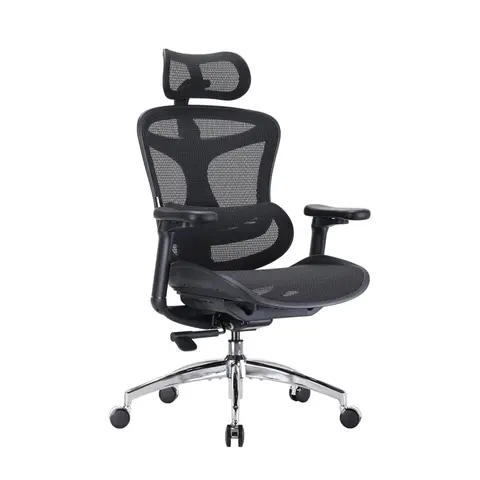 SIHOOSIHOO Doro C300$559.99 – $569.99
- Adjustable lumbar support
- 4D armrests
Warranty: 3 years (vs 12)
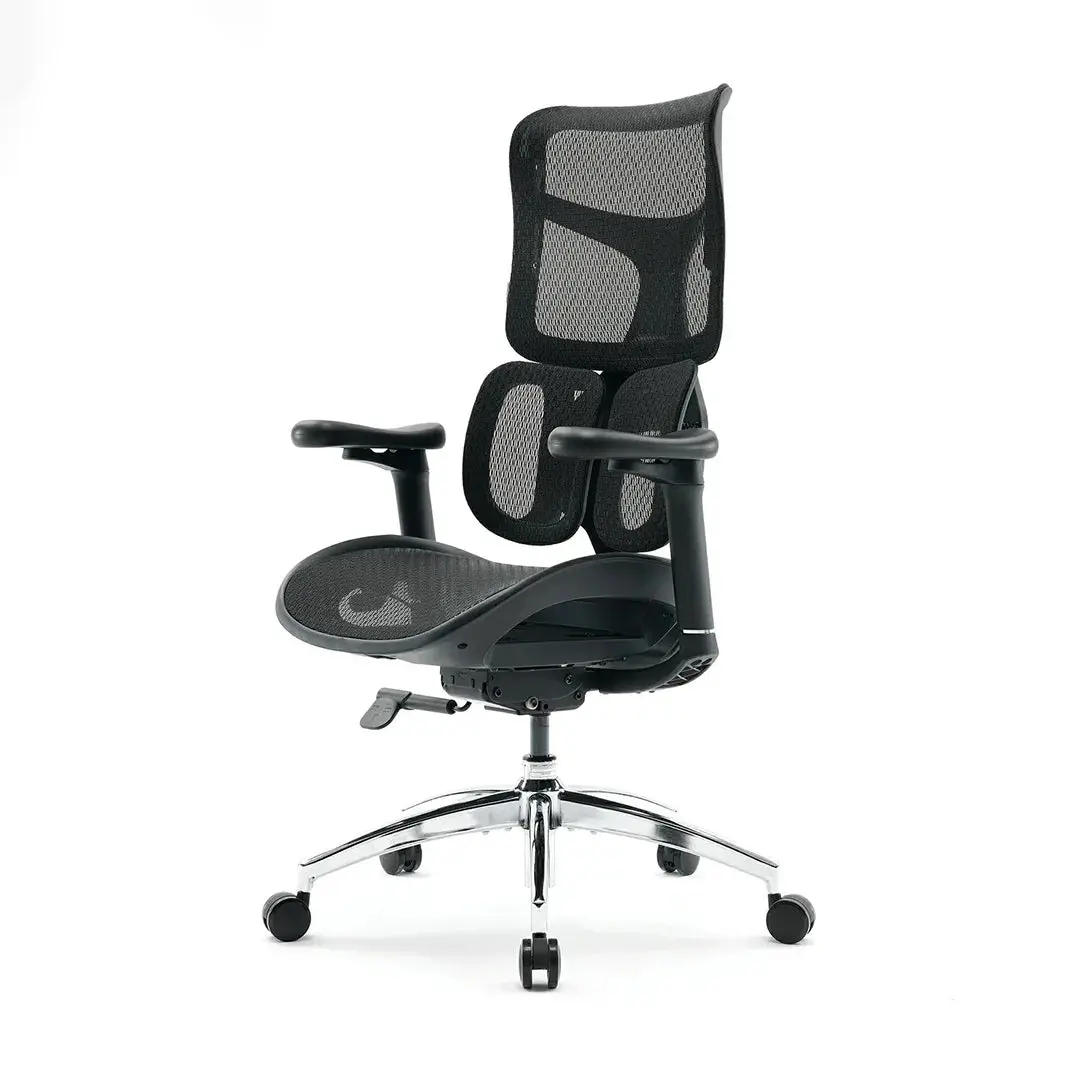 SIHOOSIHOO Doro S100$499.99 – $509.99
- Adjustable lumbar support
- 4D armrests
Warranty: 3 years (vs 12)
Features are compared from each brand's published specifications; check the details that matter to you. Some links are affiliate links.
Where to buy
Amazon
Check current price
- Check price at Steelcase ↗
US Steelcase Store
$1,499 – $2,667
- Check price at Steelcase ↗
Steelcase Official
Check current price
- Shop used on eBay ↗
eBay (used)
Used from $250
Amazon returns are typically 30 days of delivery but set per listing — check before ordering. Some links are affiliate links; Chairpedia may earn a commission at no extra cost to you (disclosure).
Keep exploring
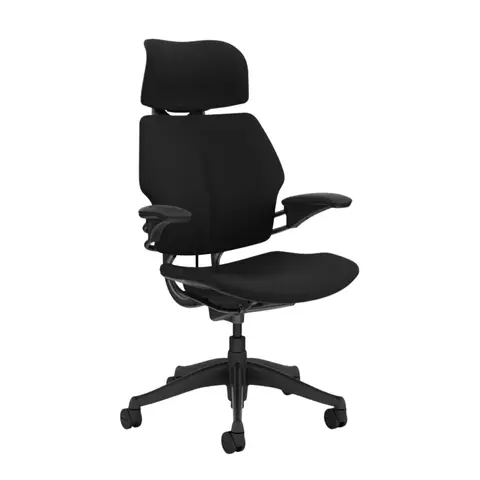
Specs and prices come from the brand sources listed under Specs and next to the price; User Insights link to their originals. Confirm the exact configuration, seller and price before buying. Editorial policy
From $1,499
Where to buy