Research-based Chair Guide
Anthros Chair
A clinically informed office chair engineered for posture, not just comfort
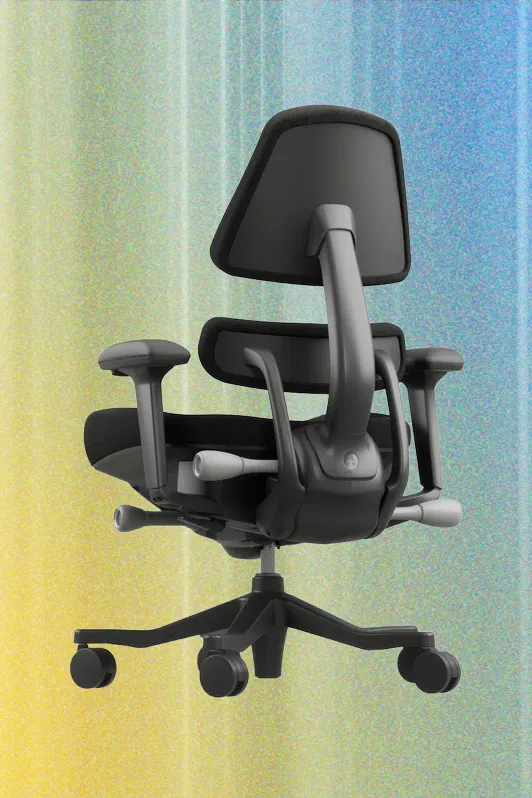
The Anthros Chair brings wheelchair-seating design ideas to the office: a two-part, pelvis-first back, a contoured Cloudfloat seat cushion, a 300 lb weight capacity and a 12-year warranty.
Where to buy the Anthros Chair
Confirm the seller, condition, delivery and return terms on Amazon.
Research note: The comfort observations below summarize manufacturer documentation and published sources. This guide combines manufacturer specifications with owner reviews from around the world.
Overview
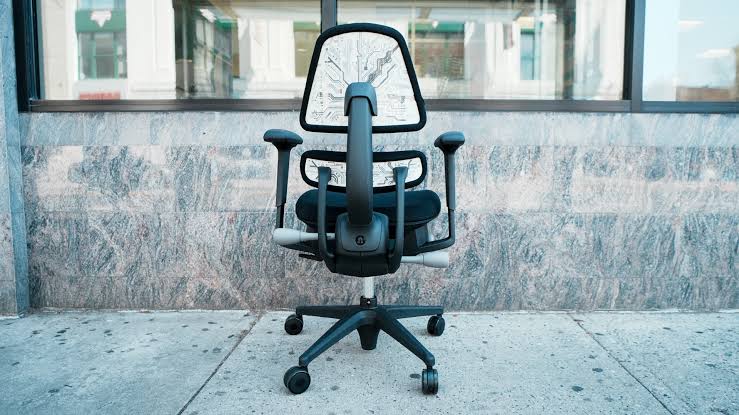
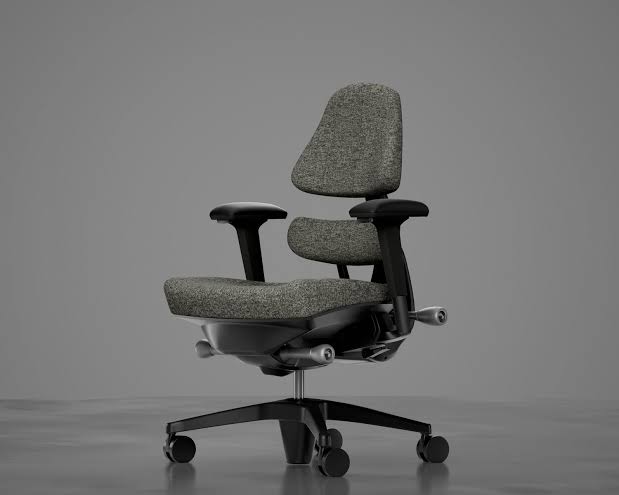
The Anthros Chair is the office chair from Anthros, a Grand Rapids, Michigan company whose team came from wheelchair seating. Instead of a conventional lumbar pad, the back is split into two pads, an upper back support and a lower back pelvis support, and each is moved independently with control knobs under the seat. Anthros says the idea is to support the pelvis so the natural curves of the spine stay intact. The seat uses the brand's contoured Cloudfloat cushion, with cutouts under the sit bones. Anthros sells one chair, in a configurable Anthros Custom version and a fixed all-black Anthros Black version; some third-party reviews call it the "V2", but that is not a name Anthros uses.
At a glance
Brand | Anthros |
|---|---|
Designer(s) | Steven DuFresne (CEO / Chief Chair Designer) and in-house clinical team |
Price tier | Premium (see the Anthros configurator for current pricing) |
Materials | Back panels in standard, wood-grain or specialty finishes (including carbon fiber); Athlon performance fabric or Port leather alternative upholstery; Cloudfloat contoured foam seat cushion |
Key adjustments | Seat height; independent upper back and lower back pelvis support (the lower pad also sets effective seat depth); optional 4D arms (height, width, depth, angle); tilt tension; tilt lock with three locked positions |
Warranty | 12 years (bumper-to-bumper) |
Weight capacity | 300 lb (136 kg) |
Seat-height range | 17.1″–20.7″ (5-spoke swivel base); 17.9″–21.1″ (4-spoke fixed base), industry-standard weighted measurement |
Seat depth | 15.2″–18.3″ (set by moving the lower back pad; no seat slider) |
Seat width | 21.2″ |
Arms | 4D Arms (option) or No Arms |
Tilt | 0°–16°; three locked positions (−2°, 1°, 5°) and two unlocked modes |
Headrest | None |
Certifications | Anthros says the chair is independently tested to BIFMA requirements at 300 lb (standard number not stated) |
Built in | Grand Rapids, Michigan, USA |
The brand & its philosophy
A team of wheelchair seating experts, including clinicians and product designers, kept hearing the same comment at industry trade shows: "I wish my office chair felt like this!" That got them thinking about the millions of people who sit at desks all day. Anthros says the chair grew out of decades of designing wheelchair seating for the most complex sitters, and that it wants office workers to have the same evidence-based seating ideas used for wheelchair users.
Anthros describes its approach as research-driven: the brand says it validates designs with 3D human modelling and testing on people of different shapes and sizes. The company also runs a charitable arm, the Anthros Foundation, linked from its website.
The designer and the design story
Steven DuFresne, CEO and "Chief Chair Designer," boasts an impressive background working in the world of wheelchairs; co-founders DuFresne and CMO Eric Murphy have worked tirelessly to concoct the most comfortable, supportive office chair. The idea probably started seven-ish years ago when both were working for a company called The Comfort Company, responsible for making wheelchair seating, cushions, backs and head supports, arm pads that go on manual and power wheelchairs. The design process was driven by frustration with hollow "ergonomic" claims in the office market and a determination to apply evidence-based methods from medical seating. Anthros says it used 3D human modelling to shape and validate the chair, and that this modelling, based on the Wilke et al. disc-pressure study, showed lower L4-5 disc pressure with the two-part back properly adjusted and when using tilt. These are the brand's own modelling results, not independent clinical outcomes.
Third-party reviews describe changes Anthros has made since launch: the upper and lower back pads were softened and thickened, which filled in more of the gap between them, and the lower pelvis support was widened and repositioned so it feels less intrusive. The official figures fit this: the current manual lists the lower back pad at 17.3″ wide, versus 15.1″ on Anthros's 2023 dimensions page. Anthros sells these updates as the Anthros Chair, not as a separate model.
Design language & aesthetics
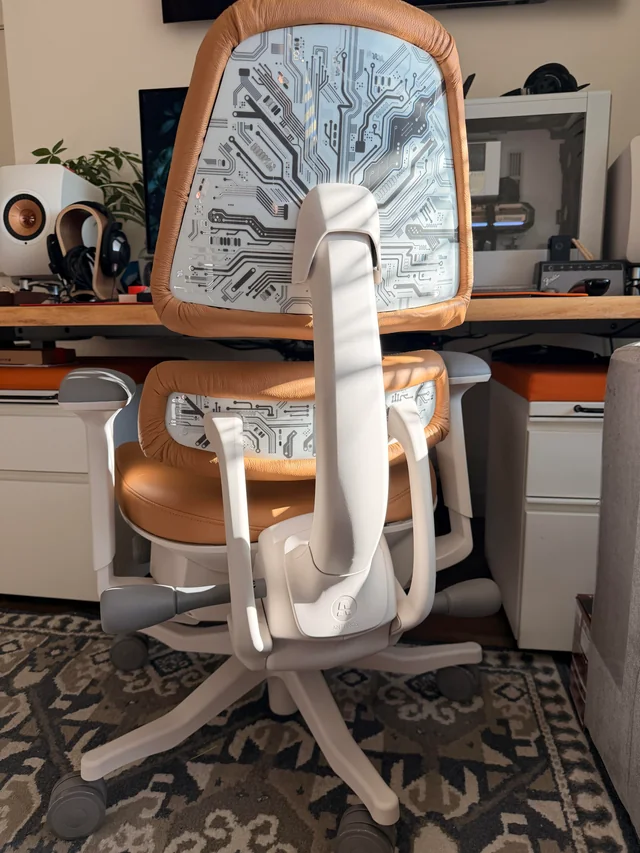
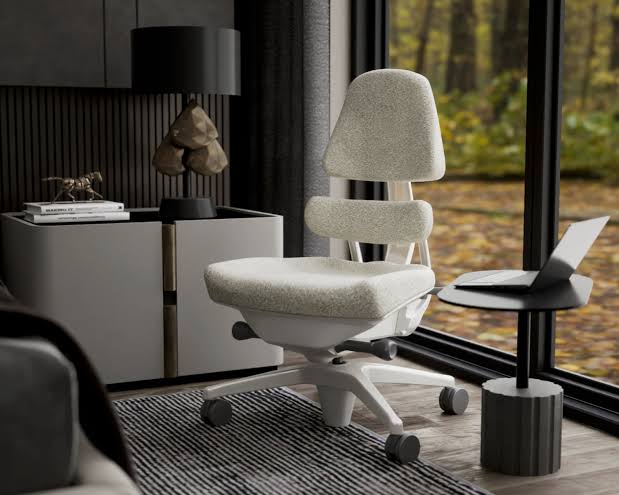
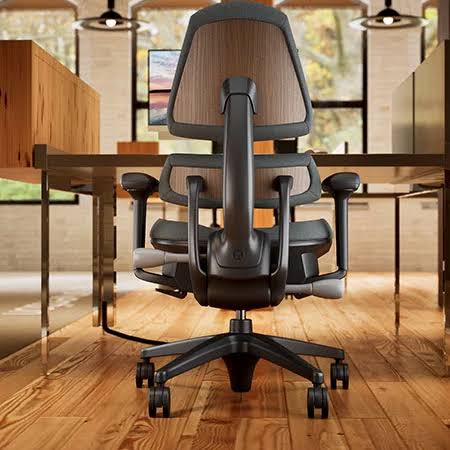
Visually, the Anthros Chair is an outlier in the premium-chair landscape—organic, almost furniture-like, and strikingly segmented. The two-piece backrest, separated by a visible gap, gives it a distinctive profile that reads as intentional rather than incomplete. Back panels come in standard Onyx or Ivory, wood-grain finishes (ash, oak, elm, walnut and ebony) or specialty finishes, including carbon fiber.
The current configurator offers Gabriel Athlon performance fabric (polyester) or Camira Port leather alternative, both soft to the touch and a deliberate contrast to the mesh-heavy look of its peers. Anthros's technology page also describes a Gabriel ShapeKnit bouclé cover, knitted to the exact shape of each cushion. Base options are a four-spoke fixed (non-swivel) base or a traditional five-spoke swivel base. The overall aesthetic leans warm, architectural and residential, more suited to a curated home office than a corporate cube farm.
Ergonomics & how it supports the body
Anthros's case is that good sitting posture starts at the pelvis rather than at a lumbar pad. The brand says its patented lower back pelvis support "captures and stabilizes the pelvis" so the natural curves of the spine are kept intact, with the upper back pad meeting the mid/upper back. Anthros also cites its 3D human modelling for lower L4-5 disc pressure with the back adjusted and in tilt; it does not publish these as clinical trial results.
In use, the lower back pad is meant to sit firmly against the pelvis, and reviewers commonly describe an adjustment period before that feels natural. Anthros itself recommends using the chair for at least three weeks before judging it, and offers a free consult with a licensed physical or occupational therapist to help set it up.
Key adjustments & mechanisms
Seat height is 17.1″–20.7″ on the 5-spoke swivel base and 17.9″–21.1″ on the 4-spoke fixed base (industry-standard, weighted measurement). There is no seat slider: effective seat depth, 15.2″–18.3″, is set by moving the lower back pad, and the seat is 21.2″ wide. The star of the show is the two-part back. The upper back pad and the lower back pelvis support are each moved independently with control knobs under the seat, so you can bring each one to your body: the lower pad to hold the pelvis upright, the upper pad to meet the mid/upper back.
Arms are optional: you can order 4D Arms or No Arms. The 4D arms adjust in height, width, depth and angle, with an arm height of 7.7″–11.8″. Some reviewers wish the arm pads were less rounded; while the pads are soft, they feel wide because of their shape. Tilt is where the current chair is most flexible: there are three locked positions (Active −2°, Standard 1°, Decompress 5°) and two unlocked modes (Free-Float, and Full Decompress up to 16°), with tension set by a control knob. There is no headrest; Anthros says the chair is built for active, upright sitting, and that it is exploring head-support accessories.
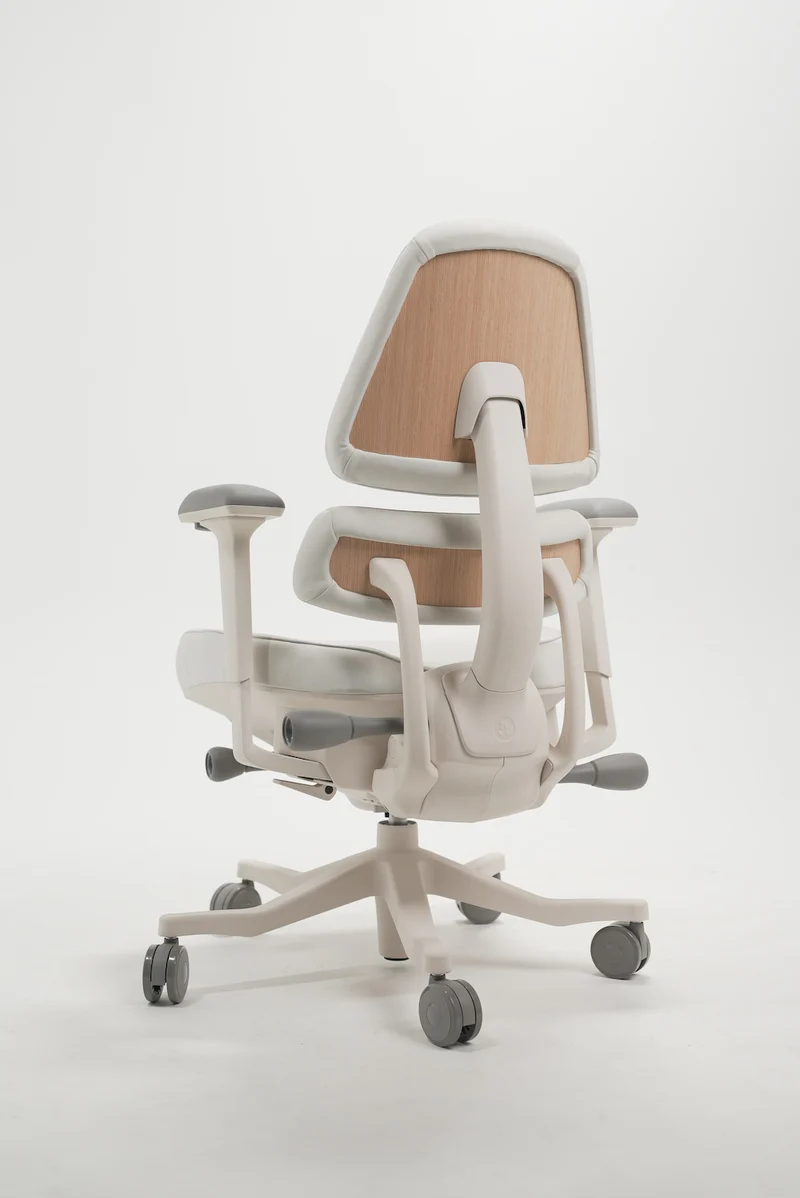
Materials & build quality
Reviewers describe the build quality as very solid, comparable to leading office seating makers such as Steelcase or Herman Miller, and it is backed by a 12-year warranty covering every component and the workmanship. Anthros says the chair's parts were designed specifically for it. Anthros chairs are built in Grand Rapids, Michigan.
Port is a phthalate-free synthetic leather alternative that can be wiped clean and disinfected. The control knobs are shaped to be easy to grip and turn. Casters are 75 mm, in an Omni caster for all surfaces or a Soft Surface caster.
Comfort signals from published sources
One reviewer called it by far the comfiest chair they had used for long periods, though they didn't think so at first: it takes some getting used to, because when the chair is set up correctly the lower back section presses into you. Reviewers of the updated back say it allows a little more slouching than before but still steers them toward an upright position. The main downside of the extra padding was heat build-up against the backrest.
The seat cushion is the other headline feature. Anthros says it drew on its wheelchair-cushion background, starting from anthropometric data and using 3D human simulation to shape the cushion, with its Cloudfloat pressure-relief cutouts under the sit bones. The brand reports that independent testing at two universities found less slouching than a leading competitor and the lowest peak seat pressure of 11 leading office and gaming chairs. Reviewers generally describe the seat as soft but supportive, while the firm posture cues from the back take time to get used to.
Who it's for (and who should skip it)
Ideal for:
People who sit for long hours and care about posture. One customer quoted on the Anthros site, who has sciatica, says comfort is the main reason they recommend the chair, describing the seat as "what you would imagine heaven to feel like".
All-day sitters. Anthros says the chair is designed for people who sit for long hours.
Users who want data-backed performance. The brand comes from a world where if they said their product did something, they had to prove that it did that thing; they thought there was an authentic way to communicate those things with actual data and actual science behind a design, which is what Anthros is rooted in.
Wide body-type range. One reviewer noted the chair's customizability and how it fits all body types, boasting a fairly unorthodox build at 6'5″ tall, and the chair was able to be adjusted seamlessly before it was readjusted to fit a 5'5″ coworker.
Skip if:
You want to lounge. The brand doesn't pretend that Anthros is for everyone in all instances; if you like to sit with poor posture, they say it's probably not the chair for you.
You need a headrest. There's no headrest on the Anthros Chair, which some folks may find frustrating; it put one reviewer off at first, but after a while, you don't miss it—it's easier to stay awake and alert without a headrest.
You're on a budget. It sits at the premium end of the task-chair market; check the Anthros configurator for current pricing.
You prefer breathable mesh. The padded upholstery runs warm, especially on the backrest.
Comparisons with key rivals
Chair | Seat/Back | Adjustments | Standout strength |
|---|---|---|---|
Anthros Chair | Contoured Cloudfloat foam seat, two-part upholstered back | Independent upper/lower back pads, optional 4D arms, five tilt modes, no headrest | Pelvis-first back; brand-reported low peak seat pressure in university testing |
Pixelated suspension backrest, foam seat | BackFit spine alignment, arms, tilt limiter | Dynamic back support, breathable, iconic design | |
Foam cushion, LiveBack flexible spine | Lower-lumbar adjust, arms, seat depth, natural glide recline | Proven corporate workhorse, highly adjustable, excellent value | |
Wave suspension seat/back | 3D Zonal back, adjustable lumbar, arms | Elegant aesthetics, breathable mesh, sustainable build |
One extended reviewer settled on a top three of Anthros, Herman Miller Embody and Haworth Fern after two years of research; what drew them to the Anthros was the brand's honesty. One professional gamer reported the Anthros feels nicer than the Herman Miller Embody they use at home for long gaming sessions. The Anthros competes less on features or looks and more on its pelvis-first back and seat-pressure design, ideas that come from medical seating rather than office furniture.
Sizing, fit & configuration options
Anthros describes the chair as one size that adjusts for most adults: seat height is 17.1″–20.7″ on the 5-spoke base or 17.9″–21.1″ on the 4-spoke base, and the configurator recommends the optional foot support for people under 5'8″ or with a desk higher than 25″. Before buying, you can book a free 15-minute Clinical Posture Consult with one of Anthros's licensed physical or occupational therapists; no purchase is required.
Configuration choices include the base (four-spoke fixed, which does not swivel and feels more locked in, or five-spoke swivel), the back panel (standard, wood grain, or specialty finishes including carbon fiber), upholstery (Athlon performance fabric or Port leather alternative), casters, an optional foot support, a tilt spring matched to body weight (under 150 lb, or 150–300 lb), and arms. Arms are optional: 4D Arms or No Arms. Anthros also sells Anthros Black, a single all-black configuration that ships faster than the custom-built chair.
Sustainability & certifications
Anthros says the chair is independently tested to BIFMA requirements at 300 lb for structural integrity, durability and tipping resistance. The recycled-content, GREENGUARD and Cradle to Cradle credentials were not found in the official Anthros sources checked. Replaceable cushions and factory replacement parts from Anthros support repair rather than disposal.
Anthros chairs are built in Grand Rapids, Michigan. The company also runs the Anthros Foundation, a charitable arm linked from its website.
Maintenance, durability & warranty
Anthros offers a 12-year limited warranty on every component and the workmanship, from the date of purchase, for the original purchaser. There is also a 60-day money-back guarantee, with free return shipping in the continental US.
Maintenance is straightforward. Athlon fabric can be spot-cleaned with lukewarm water and a pH-neutral detergent; Port leather alternative can be cleaned with upholstery soap and warm water and disinfected. Back panels, arm pads and plastic parts clean with soap and warm water or cleaning wipes. Factory replacement parts are available through Anthros customer support, and the seat and back cushions can be replaced. Assembly is required but reportedly simple, with a QR-linked assembly video.
Pricing, value & where it sits in the market
Anthros sells the chair direct, as Anthros Custom (built to order) and Anthros Black (a single fixed configuration); check the Anthros configurator for current pricing. The brand states that Anthros isn't cheap because it isn't cheap: designing and manufacturing a first-of-its-kind office chair from the ground up, backed by science, is not a cheap endeavor.
Anthros says the chair qualifies as a specialized ergonomic chair and can be bought with pre-tax HSA/FSA funds; eligibility depends on your plan. The brand also advertises 0% interest financing over 12 months, and a free video consult with one of its therapists to discuss fit before you buy.
Value is subjective. For buyers drawn to its pelvis-first back, wheelchair-seating background and long warranty, the Anthros is a distinctive option with no close equivalent. For those who want mesh breathability, a headrest, or a longer track record, the premium is harder to justify.
Verdict — the bottom line
The Anthros Chair is an uncompromising statement: posture is primary, comfort follows, and the two are not always the same. One reviewer could never bring themselves to spend this much on a chair, but since they're at their desk for at least eight hours a day, comfort and back support are essential, and they're not sure you'll find it anywhere better than with the Anthros. It asks for patience during the break-in period, a willingness to sit differently, and a budget well past the mid-market. In return you get a distinctive two-part back, a seat the brand reports as lowest in peak pressure in university testing, Michigan manufacturing, and a 12-year warranty.
"This chair is not for everyone, but if it is for you it will be the best chair you will ever own."
After 30 days in the chair, one professional reviewer simply said: wow. The updates to the back, with softer and wider pelvis support, thicker pads and less of a gap between the two sections, make the original's bold ideas more approachable without diluting the core idea. If you're tired of chairs that claim ergonomic credentials but feel like polite suggestions, the Anthros is a strong alternative. It is built to keep you upright and to put your pelvis first, and for sitters who want that kind of firm guidance, that assertiveness is exactly the point.
Sources & references
Interested in the Anthros Chair?