Steelcase Amia vs Steelcase Gesture: Which Should You Buy?
Two Steelcase workhorses face off—LiveLumbar or 360-degree arms?
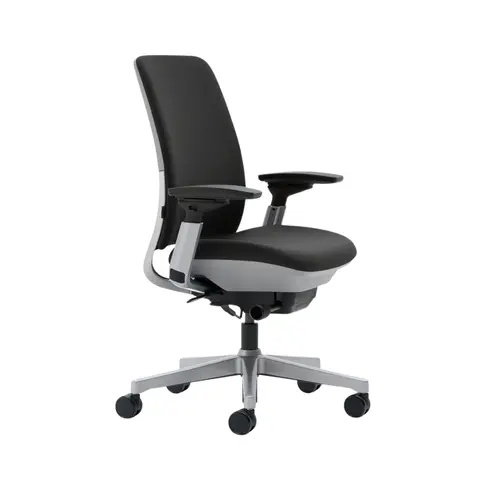
$500
lower starting price for Steelcase Amia than Steelcase Gesture at the brand stores
Differences at a glance
Sources
- Steelcase Seating Specification Guide, April 2021 (PDF) ↗Checked Sep 26, 2026
- Amia Ergonomic Task Chair (steelcase.com) ↗Checked Sep 26, 2026
- Gesture Ergonomic Office & Desk Chair (steelcase.com) ↗Checked Sep 26, 2026
- Gesture – Steelcase Store (US) ↗Checked Sep 26, 2026
- US Steelcase Store (price) ↗Checked Sep 26, 2026
- Price
- $1,099 – $1,511$1,599 – $2,560
- Seat height
- 16–21 in16–21 in
- Seat depth
- 15.5–18.5 in (functional, 3 in adjustment); seat depth 18.5 in15.75–18.5 in (functional, 2.75 in adjustment); seat depth 18.25 in
- Load capacity
- 400 lb (181.4 kg)400 lb (181.4 kg)
- Recline
- Seat-to-back angle 100°–120°Seat-to-back angle 98°–125°
- Arms
- Standard 4-dimensional arm support; options: height-adjustable arms, armlessWidth 10.25–22.5 in between arms; height 7.25–11.5 in; pivot 15° in/out; depth 2.125 in
- Headrest
- None listed among official optionsOptional (integrated headrest)
- Lumbar support
- Standard height-adjustable lumbar included with Amia and Amia Air with 3D Microknit backCore Equalizer, with optional additional (height-adjustable) lumbar
- Warranty
- Steelcase Limited Lifetime Warranty – 12 years, multi-shift, 24/7 parts and laborSteelcase Limited Lifetime warranty – 12 years, multi-shift, 24/7 parts and labor
What users mention
From 67 Steelcase Amia and 117 Steelcase Gesture user reviews, most mentioned first. Green is liked, orange is a caution.
Comfort
Steelcase Amia25 mentionsSteelcase Gesture87 mentionsPrice and value
Steelcase Amia40 mentionsSteelcase Gesture44 mentionsAdjustability
Steelcase Amia29 mentionsSteelcase Gesture47 mentionsBuild quality
Steelcase Amia21 mentionsSteelcase Gesture40 mentionsBack support
Steelcase Amia27 mentionsSteelcase Gesture33 mentionsSeat
Steelcase Amia17 mentionsSteelcase Gesture43 mentions
Questions
Which is cheaper, the Steelcase Amia or the Steelcase Gesture?
The Steelcase Amia is cheaper to start: $1,099 versus $1,599 for the Steelcase Gesture at the brand stores (Sep 2026).
Which has a higher weight capacity?
Neither. Both are rated for 400 lb in their official specifications.
Which has a headrest?
Only the Steelcase Gesture (as an option); the Steelcase Amia does not offer one.
What do owners mention most?
Price and value for the Steelcase Amia, and comfort for the Steelcase Gesture, based on review summaries.
As an Amazon Associate I earn from qualifying purchases. Search links may include other models or accessories; confirm the exact item, seller and condition before buying.
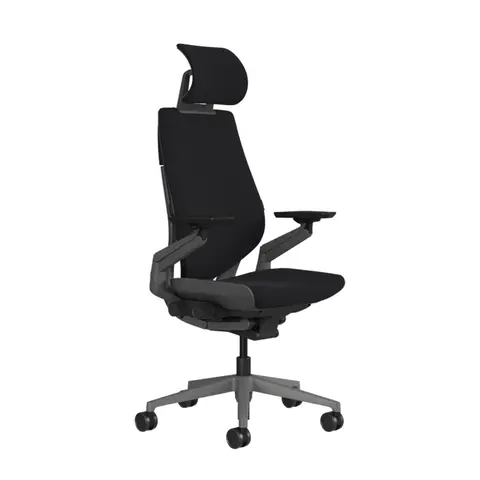
Check the arm setup and desk clearance before choosing.
Read the Gesture fit and adjustment guideRead the full comparison
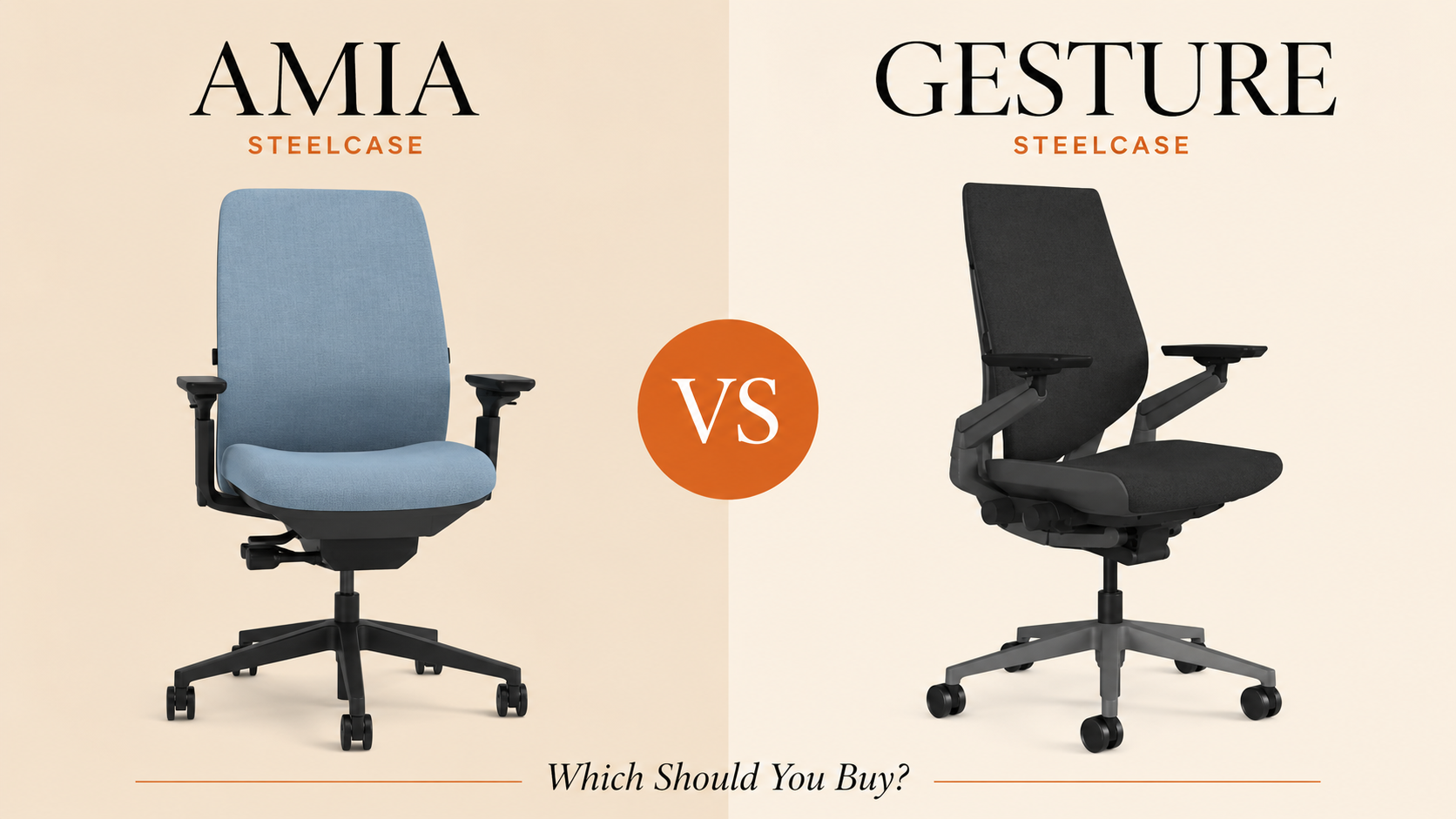
Introduction
The Steelcase Amia and Steelcase Gesture represent two different philosophies within the same premium lineup. The Amia, listed at $1,099–$1,511 at the Steelcase Store versus $1,599–$2,560 for the Gesture without a headrest (Sep 2026), is built around LiveLumbar technology. The Gesture adds signature 360-degree arms built for multi-device workflows and an optional headrest. The Amia has 4D arms (height, width, depth and pivot) and the Gesture has 360-degree arms; both carry the Steelcase Limited Lifetime Warranty (12 years, multi-shift, parts and labor), and neither includes a headrest as standard (Gesture offers one as an option), but reviews reveal meaningful differences in comfort, durability, and value.
At a glance
| Official specs | Steelcase Amia | Steelcase Gesture |
|---|---|---|
| Seat height |
|
|
| Seat depth |
|
|
| Seat width |
|
|
| Load capacity |
|
|
| Recline |
|
|
| Arms |
|
|
| Lumbar support |
|
|
| Headrest |
|
|
| Warranty |
|
|
| Chair weight |
|
|
| Back height | Not stated |
|
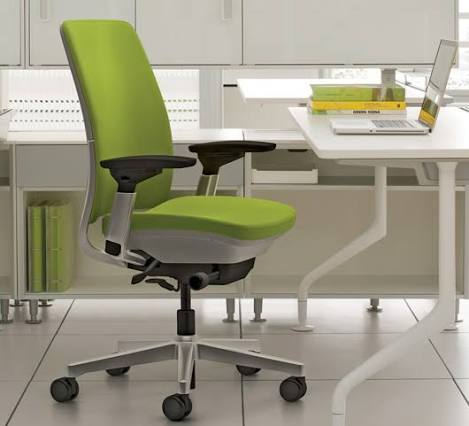
Steelcase Amia — strengths & weaknesses
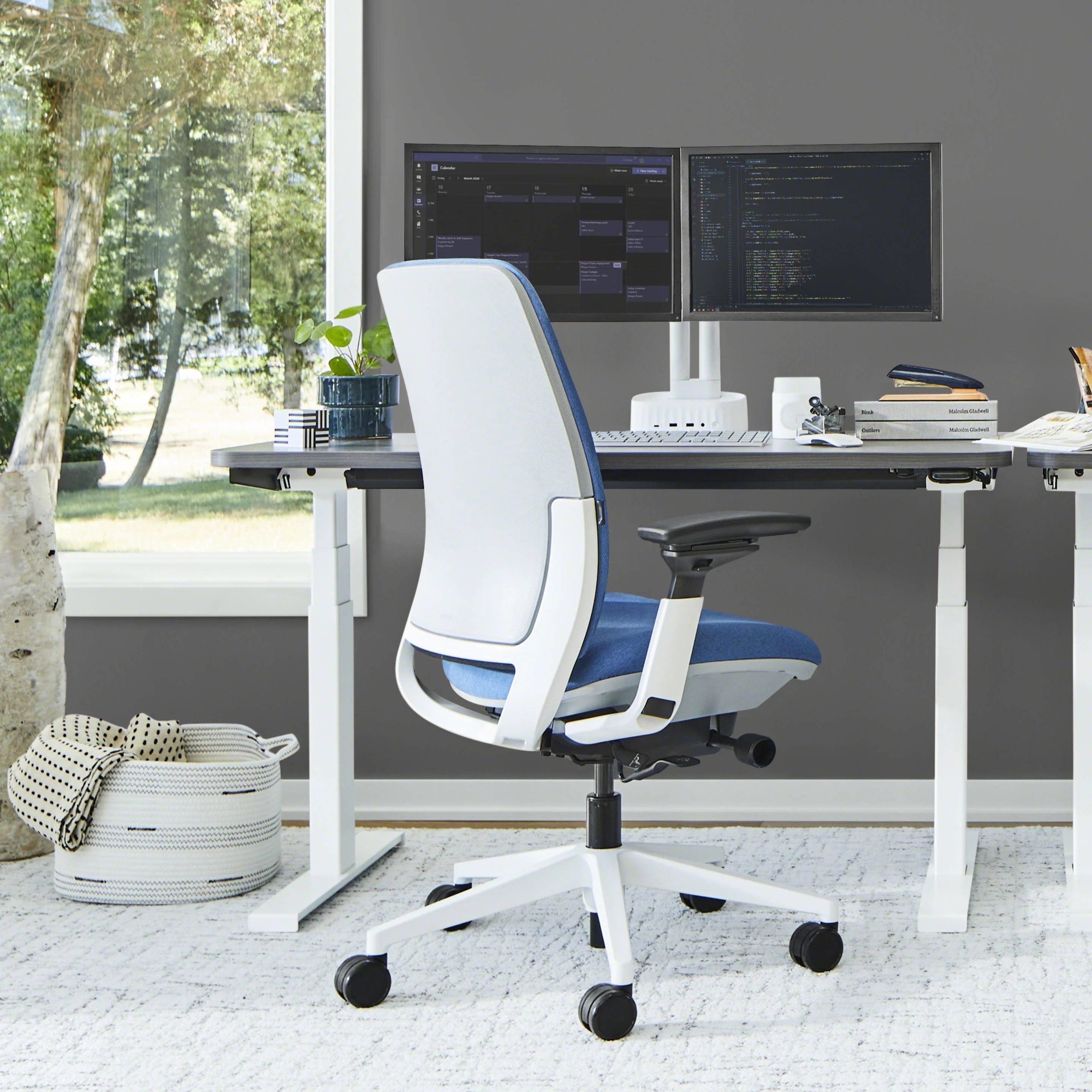
Strengths: Owners praise the Amia's long-term durability and all-day comfort. Users report excellent performance after 5-6 years of daily use, with solid construction that shows no wobbling. One reviewer called it "the most underrated chair in the industry," highlighting comfort during 8-10 hour sessions. The LiveLumbar system moves with your back. Reviewers describe it as a "tier-1 chair" suitable for users regardless of age or gender.
Weaknesses: Some users find the upper back support too cupped or insufficient. The LiveLumbar, while praised by many, feels too sharp and noticeable to others. The backrest tilts far back without an adjustable limiter, which frustrates some users. At full retail price, some question whether the value justifies the cost. The design doesn't impress visually at first glance, though performance compensates over time.
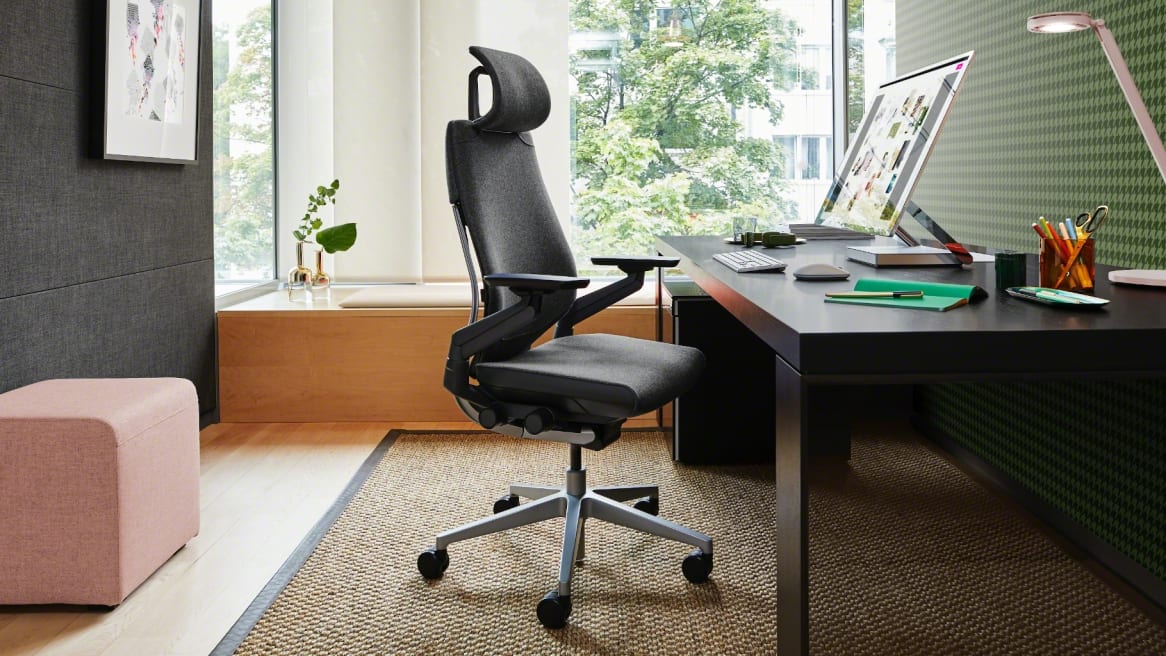
Steelcase Gesture — strengths & weaknesses
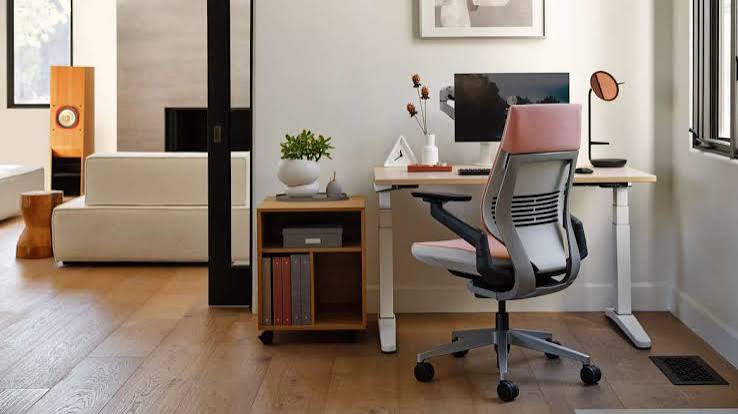
Strengths: The Gesture provides comprehensive ergonomic adjustments across all major parameters. Its signature 360-degree arms accommodate shifting between keyboard, tablet, and other devices. The narrower backrest offers shoulder and back freedom without a claustrophobic feeling, which some upright sitters say they prefer. One reviewer chose it after testing six chairs in two months. Its 3D LiveBack is designed to mimic the spine's full range of motion. Independent reviews from certified ergonomics experts confirm its thorough adjustment range.
Weaknesses: Long-term durability reports raise serious concerns. One owner who purchased four Gesture chairs reported that all units experienced breakdown issues after three years, leading to "extreme buyer's regret." Multiple reviews mention poor long-term performance despite strong initial impressions. Some users note the chair looks "cheap and budget-like" despite its premium price point. The Gesture's seat pushes users into an upright position with an "auto-correction feel" that some find uncomfortable initially, requiring an adjustment period to find optimal lumbar settings.
How they differ
Durability reports: Some Amia owners report their chairs lasting 5-6 years with heavy use, while one Gesture buyer reported all four of their units failing after three years. These are owner reports, not comparative failure rates; both chairs carry a 12-year warranty.
Armrest design: The Amia has 4D arms, while the Gesture's 360-degree arms are engineered specifically for multi-device workflows—switching from keyboard to tablet to phone. The Amia's arms adjust in four directions but lack this rotational emphasis.
Size accommodation: Steelcase lists the same 16–21 in seat height range and the same 400 lb weight limit for both chairs, so neither has a size advantage on paper.
Back support philosophy: The Amia's LiveLumbar actively moves with your spine but can feel too pronounced. The Gesture's narrower backrest prioritizes shoulder freedom and suits upright postures, though some find the auto-correcting seat pushes them into position.
Price gap: At the Steelcase Store (Sep 2026), the Amia lists at $1,099–$1,511 and the Gesture at $1,599–$2,560 without a headrest. The Gesture's higher price buys its 360-degree arms and optional headrest.
Who should buy which
Buy the Steelcase Amia if:
You prioritize long-term durability and want a chair that owners report still performing well after 5-6 years of daily use
You want the lower Steelcase Store price: $1,099–$1,511 versus $1,599–$2,560 for the Gesture without a headrest (Sep 2026)
Buy the Steelcase Gesture if:
You want the option of a headrest, which Steelcase offers on Gesture
Your workflow involves frequent device switching—laptop to tablet to phone—and you'll use the 360-degree arms daily
You prefer a narrower backrest that allows shoulder freedom and sit upright most of the day
You're willing to accept mixed durability reports in exchange for multi-posture flexibility
The verdict
The Amia costs less at the Steelcase Store ($1,099–$1,511 versus $1,599–$2,560 for the Gesture without a headrest, Sep 2026) and offers LiveLumbar with 4D arms; some owners report 5-6 years of solid performance. Steelcase lists the same 16–21 in seat height, 400 lb weight limit and 12-year warranty for both chairs.
The Gesture's higher price buys an optional headrest and 360-degree arms for workflows that switch between devices. One buyer reported durability failures across multiple units after three years, so confirm warranty service before ordering.
If neither the headrest option nor the 360-degree arms matter to you, the Amia covers the same seat-height range and weight limit at a lower list price.
Frequently asked
- Is the Steelcase Gesture worth the extra cost over the Amia?
- At the Steelcase Store (Sep 2026), the Amia lists at $1,099–$1,511 and the Gesture at $1,599–$2,560 without a headrest. The Gesture adds 360-degree arms designed for device switching and an optional headrest; Steelcase lists the same 16–21 in seat height range and 400 lb weight limit for both chairs. Owner reports differ: some Amia owners describe solid performance after 5-6 years of daily use, while one Gesture owner reported all four of their chairs breaking down within three years.
- Which chair is better for long hours?
- Reviewers praise the Amia's back support during 8-10 hour days. Its LiveLumbar system moves with your back, though some find it too sharp. Reviewers say the Gesture's narrower backrest offers shoulder freedom, but upper back support quality varies.
- Do both Steelcase chairs have the same warranty?
- Yes, both the Amia and Gesture come with Steelcase's 12-year warranty, though some Gesture owners report durability issues before the warranty period ends.
Budget alternative
Affiliate links: we may earn a commission from qualifying purchases.
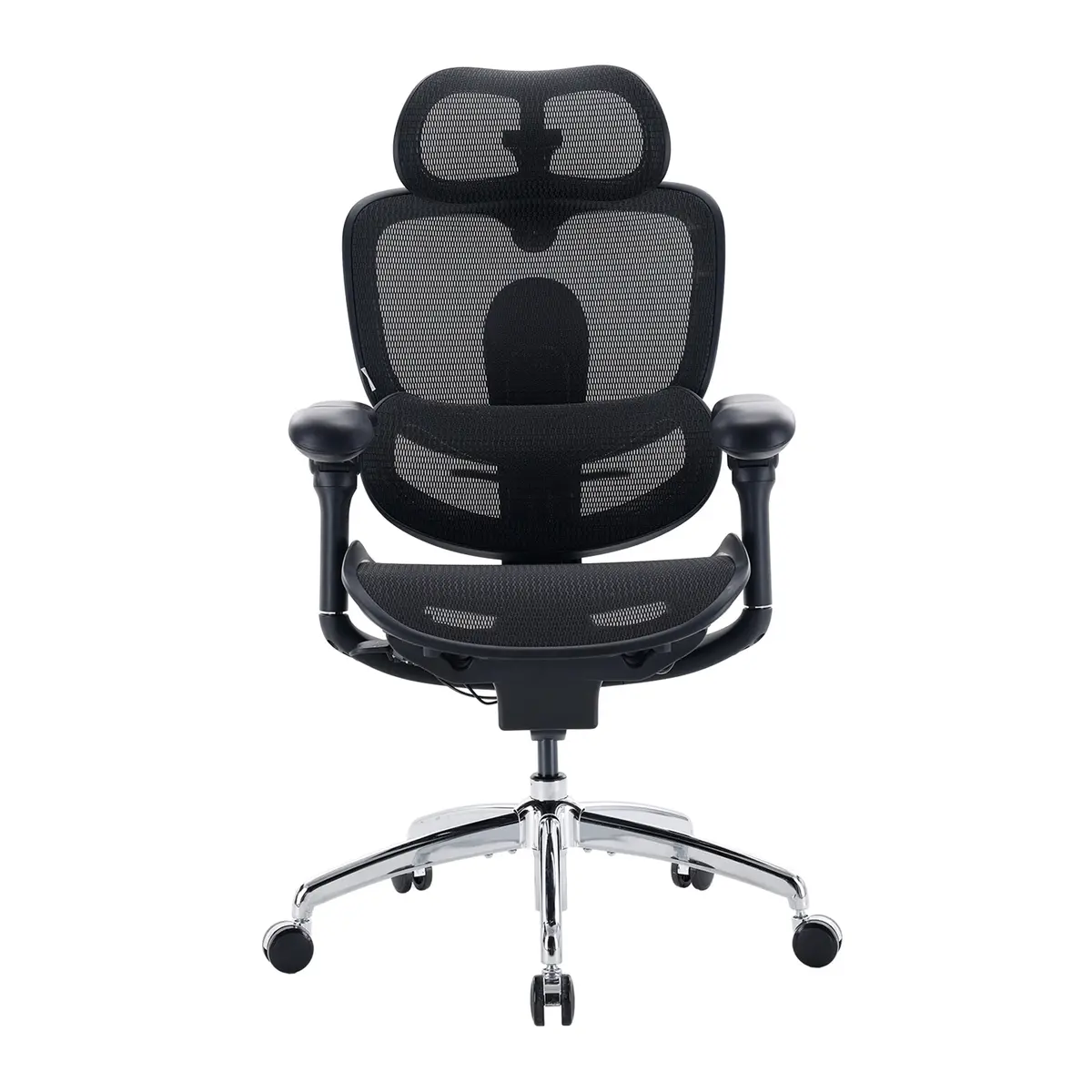 SIHOO Doro C300 Pro V2
Mesh back instead of the Amia's upholstered back, with similar lumbar, arm and seat-depth adjustment, at under half the list price ($499.99 vs $1,099).
Specs and details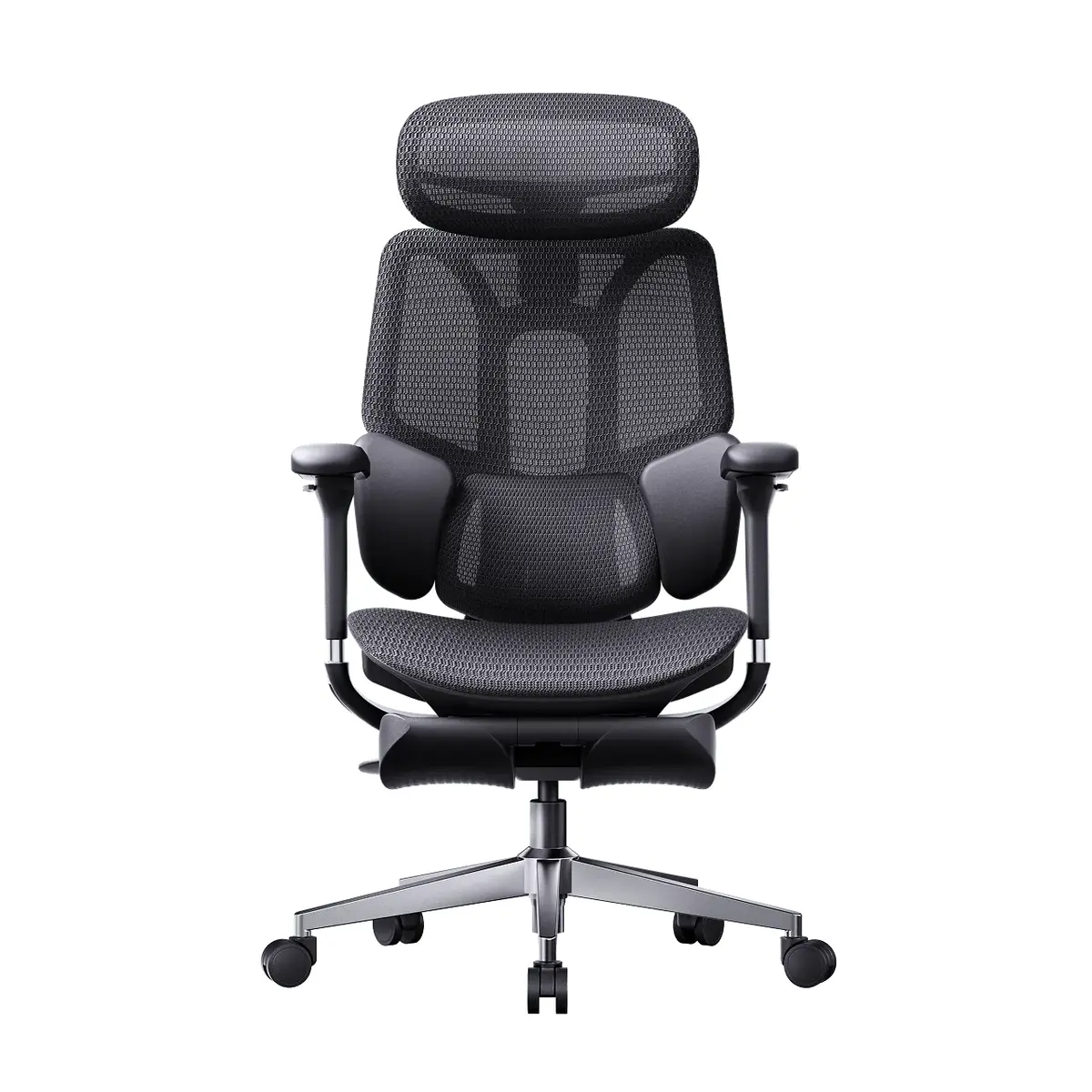 HBADA E3 Air (2026 Edition)
Mesh back instead of the Amia's upholstered back, with height-adjustable lumbar and 5 cm of seat-depth travel, at under half the list price ($499 vs $1,099).
Specs and details
Affiliate links: we may earn a commission from qualifying purchases. Check current delivery, return and warranty terms on Amazon.
Swap in a similar chair
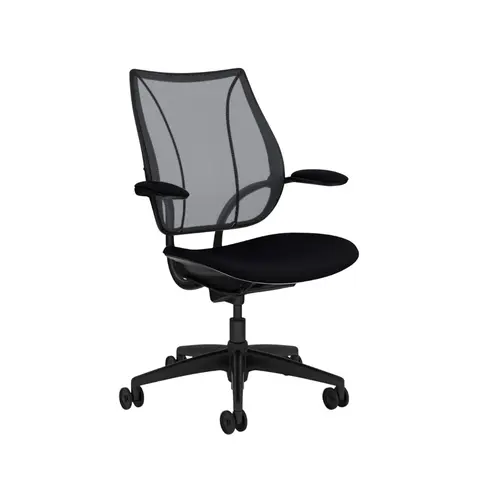
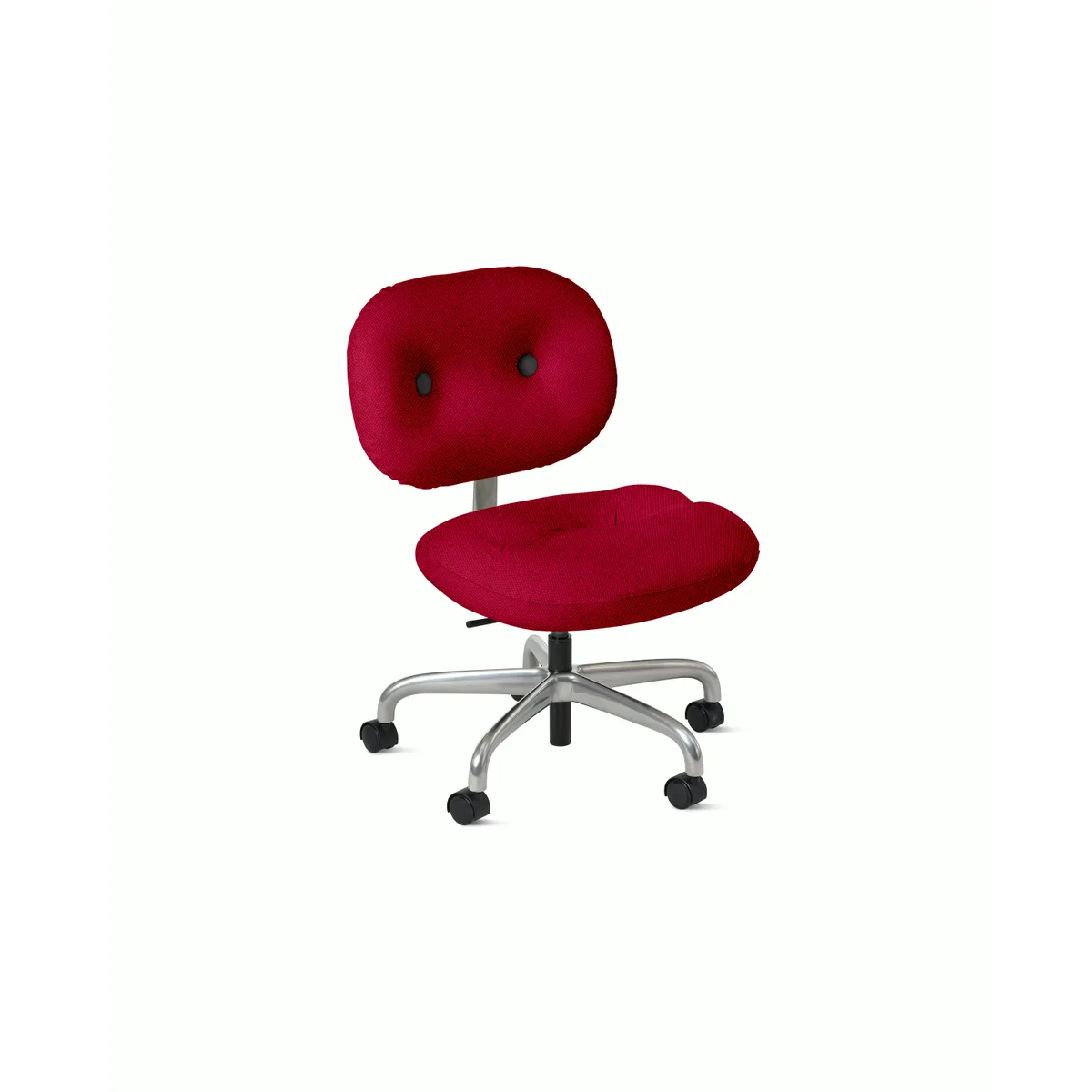
Compare Steelcase Amia with
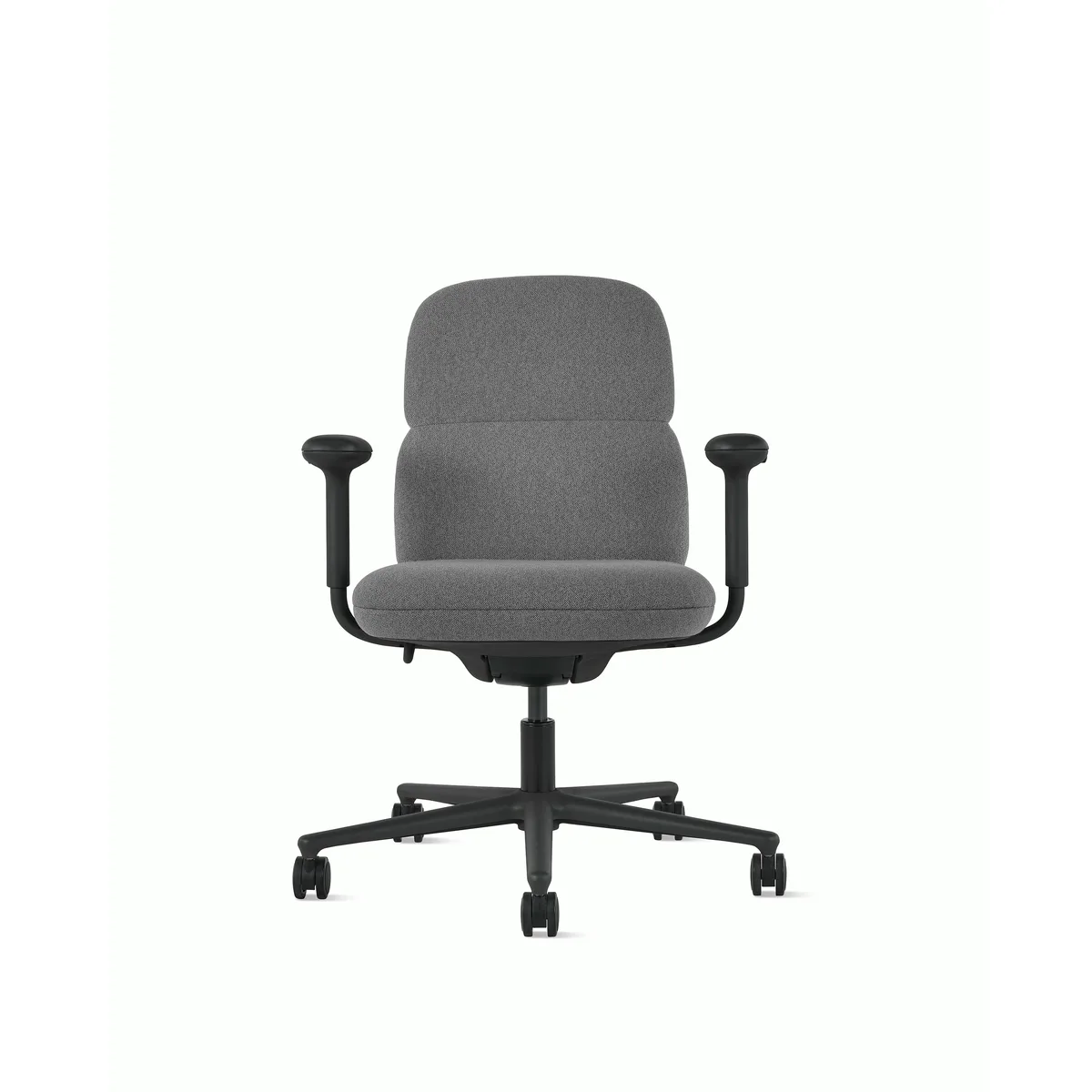
Compare Steelcase Gesture with
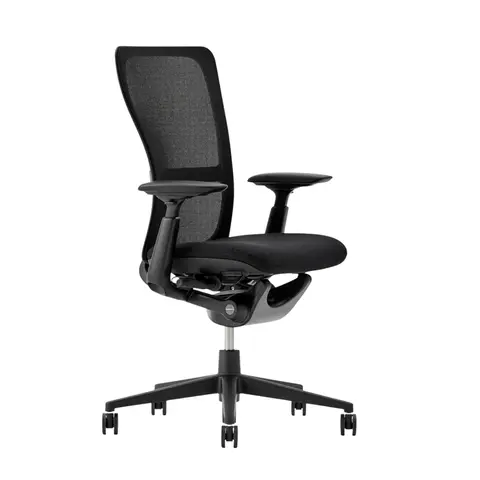
More comparisons
- Steelcase Amia vs Herman Miller Aeron Headrest: None listed among official options on Steelcase Amia; None offered by Herman Miller on Herman Miller Aeron.
- Steelcase Amia vs Steelcase Leap V2 Headrest: None listed among official options on Steelcase Amia; Optional on Steelcase Leap V2.
- Steelcase Gesture vs Sidiz T80 Headrest: Optional on Steelcase Gesture; Headrest height / angle adjustment on Sidiz T80.
- Steelcase Gesture vs Herman Miller Sayl Load capacity: 400 lb on Steelcase Gesture; 350 lb on Herman Miller Sayl.
- Steelcase Gesture vs Kokuyo Ing Headrest: Optional on Steelcase Gesture; With-headrest type on Kokuyo Ing.
- Steelcase Gesture vs Okamura Sylphy Arms: Width 10.25–22.5 in between arms on Steelcase Gesture; Adjustable arms: 100 mm height on Okamura Sylphy.